Cleaning Up the Past. Building a Brighter Future.
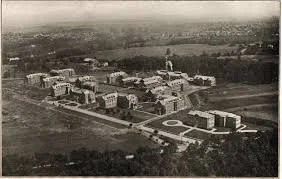
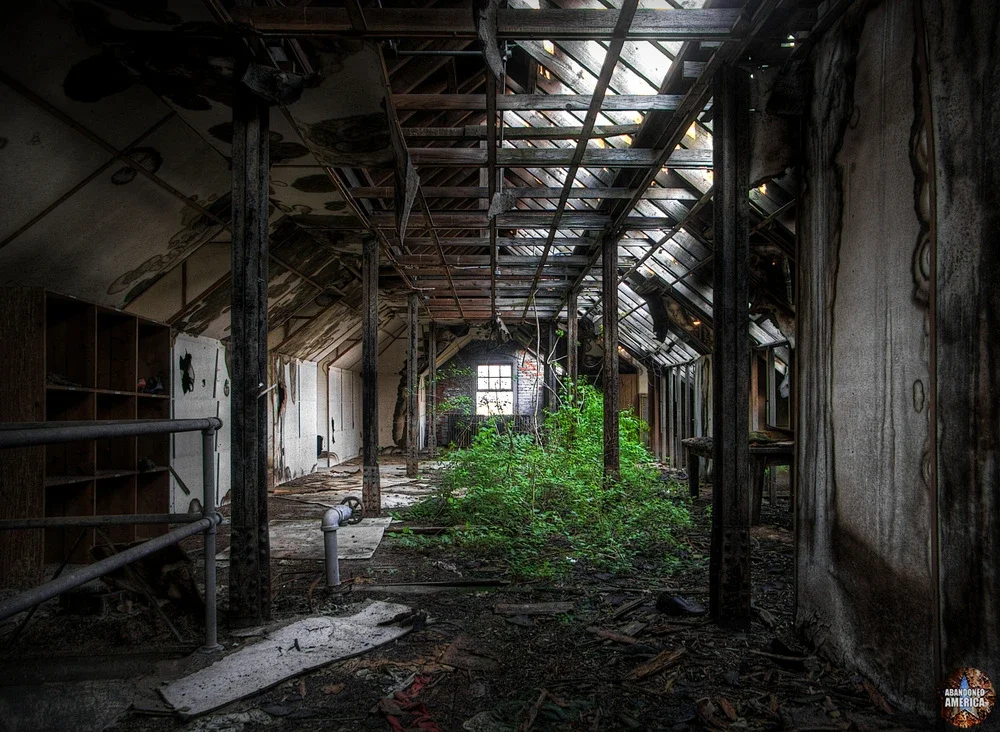
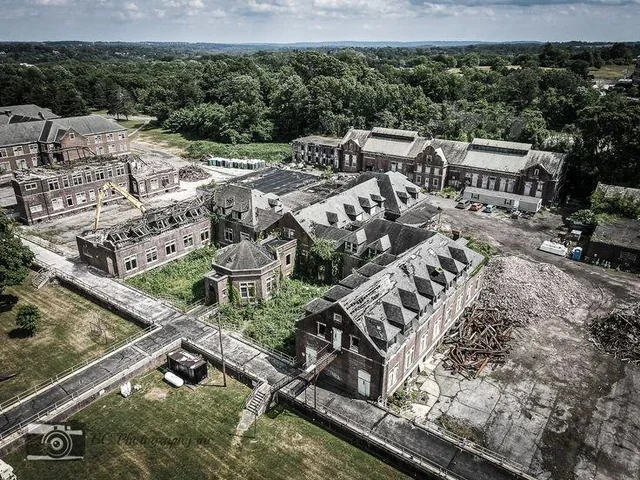
The Pennhurst property has stood still for decades.
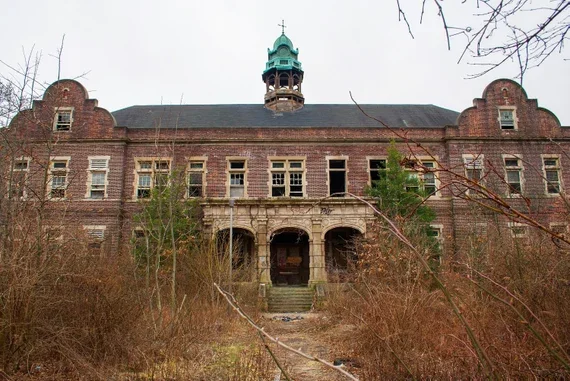
Its buildings are crumbling. Utilities are outdated.
Old infrastructure and contaminated areas limit what can be safely done here.
This land has not been able to serve our community — not for a very long time.
Revitalizing this brownfield is how we change that.
What Is a Brownfield?
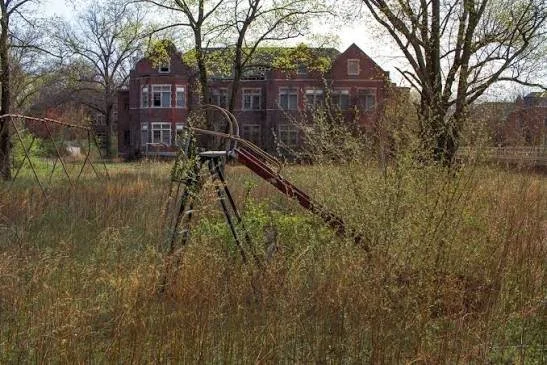
A brownfield is land that was previously developed and now sits:
Degraded or contaminated
Structurally unsafe
Economically stagnant
Often fenced off and unusable to the public
But brownfields hold massive potential because restoring them:
Protects surrounding land from new development
Promotes public safety and environmental health
Brings economic value back to the community
Brownfield revitalization is sustainability in action.
The Hidden Cost of Doing Nothing
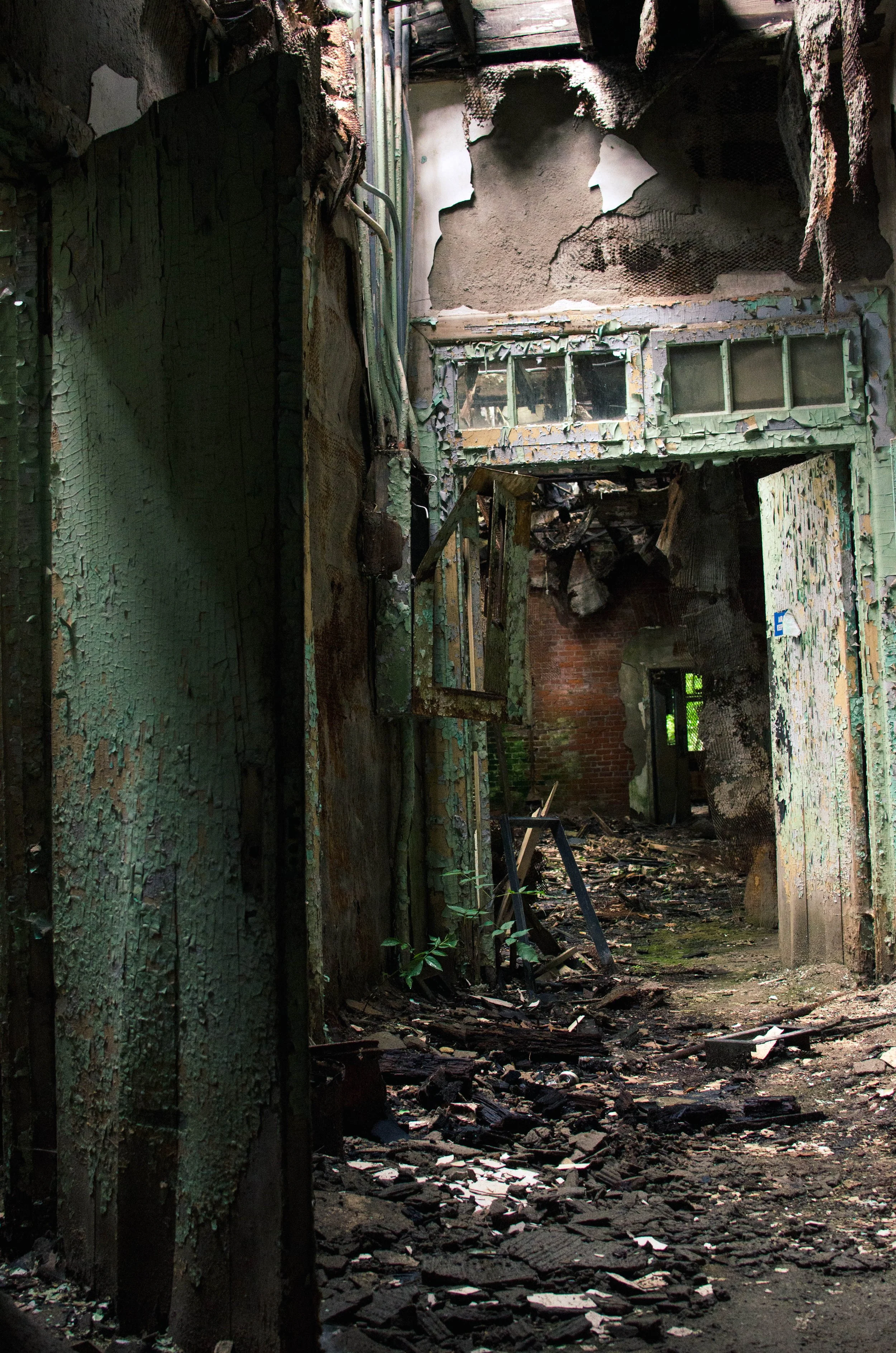
Leaving the land untouched doesn’t preserve nature
it preserves contamination.
When a site like this isn’t responsibly redeveloped:
Stormwater runoff can carry pollutants
Old infrastructure can leak into soil or groundwater
Illegal dumping and trespassing increase risks
The community receives zero tax benefit
The neighborhood lives next to a deteriorating hazard
A vacant brownfield is not green or healthy — it’s a lost opportunity.
With the Pennhurst AI Campus plan:
Legacy environmental issues must be addressed
Modern stormwater controls replace outdated systems
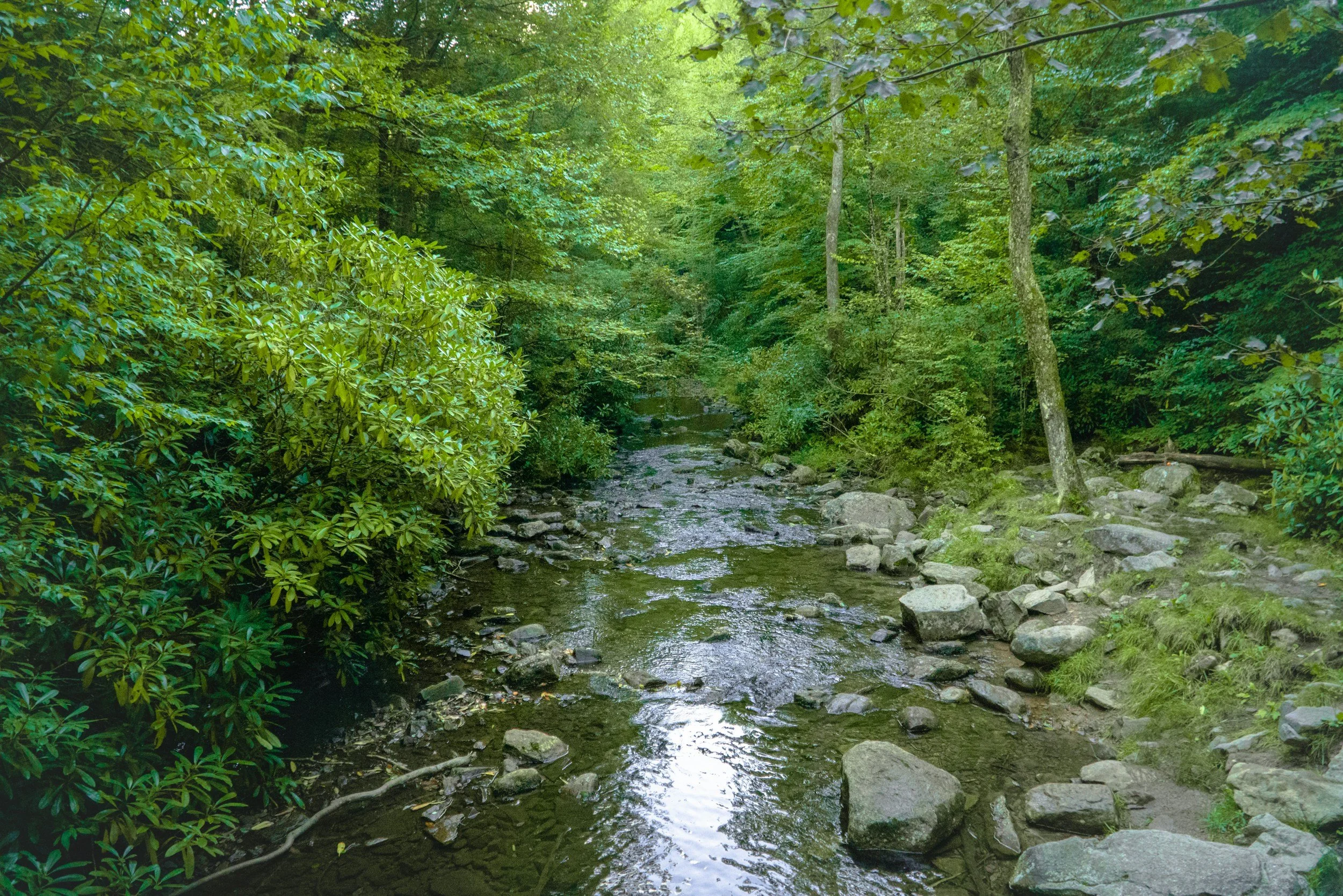
Natural buffers and native landscape are restored
Lighting, sound, and visual impact are minimized
The land is cleaner and safer than what exists today
It’s the difference between a site declining into deeper disrepair and one finally put to work for the community.
Why This Project Is the Better Path
Keeping Growth Where Growth Belongs
Every acre redeveloped here is an acre saved somewhere else.
By reusing this already-developed property, we prevent:
Farmland being paved over
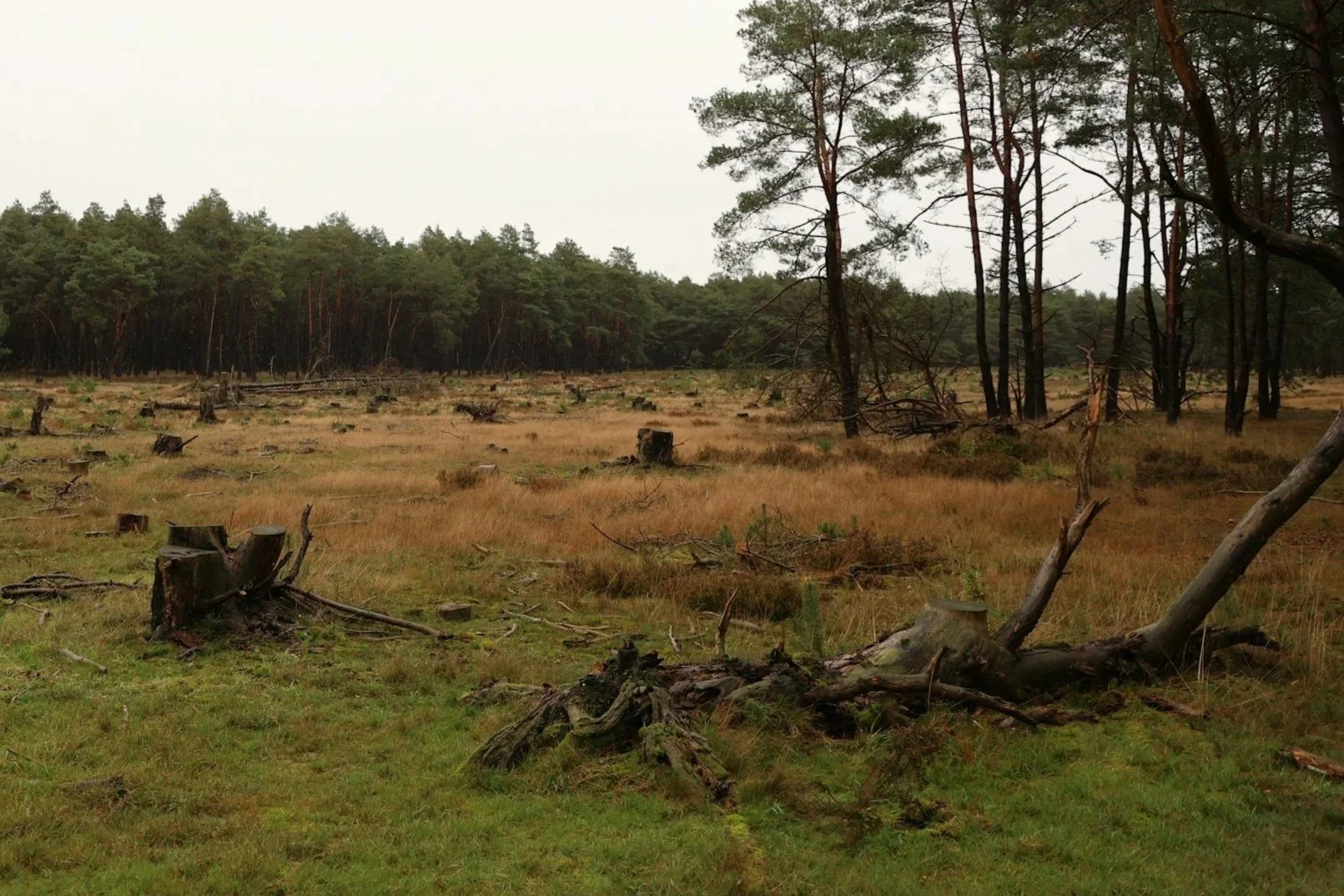
New forests being cleared
New roads and utilities being carved into open land
We grow smart — not outwards.
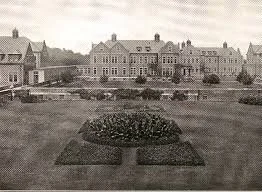
This Land Deserves Better — and Our Community Does Too
We’re not erasing history.
We’re restoring land, protecting what surrounds it, and creating benefits that last.
Rebuilding a site like this isn’t just development — it’s stewardship.
A Second Life for a Historic Property
Pennhurst is part of our region’s story — one with pain, change, and resilience.
This redevelopment embraces that history by bringing:
New jobs
Stronger tax base
Infrastructure improvements
Long-term stability
We honor the past by giving the land a purpose again.